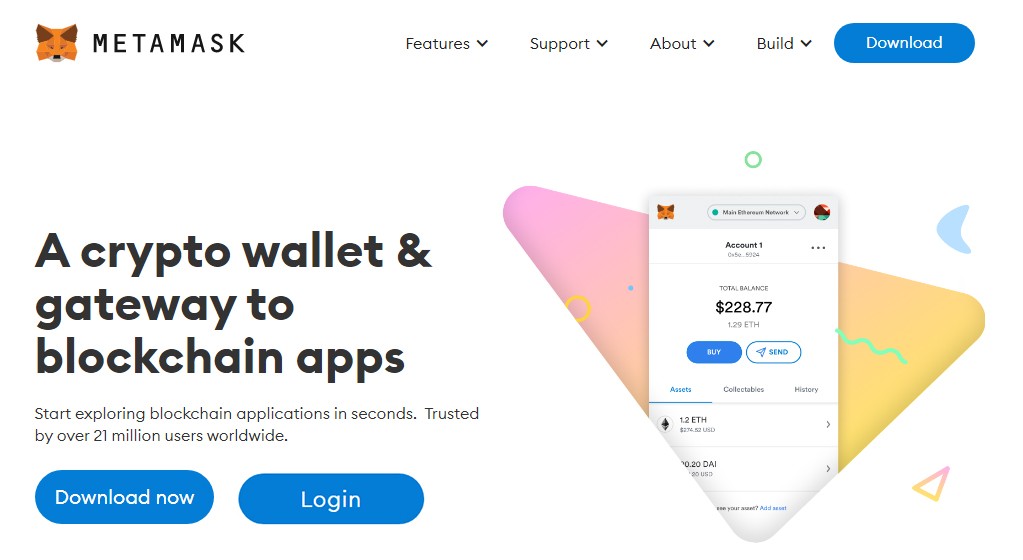
MetaMask Login – Access Your Crypto Wallet Safely
MetaMask is one of the most widely used non-custodial cryptocurrency wallets. It allows users to manage Ethereum, ERC-20 tokens, and multiple blockchains, as well as interact with dApps, DeFi platforms, and NFTs.
Logging into MetaMask is different from traditional accounts because it relies on private keys and recovery phrases, ensuring you have full control over your digital assets.
This guide explains how to log in, restore access, and secure your MetaMask wallet.
What Is MetaMask?
MetaMask is a crypto wallet and browser/mobile app that enables:
Secure storage of Ethereum and compatible tokens
Interaction with decentralized applications (dApps)
Access to DeFi platforms and NFT marketplaces
Token swapping within the wallet
Integration with hardware wallets like Ledger and Trezor
MetaMask ensures that only you control your private keys, giving full ownership of your funds.
Key Features of MetaMask
FeatureBenefitNon-custodial walletYou hold your private keys and fundsMulti-chain supportEthereum, Binance Smart Chain, Polygon, Avalanche, and moredApp integrationAccess decentralized applications safelyToken swapsExchange crypto directly within the walletNFT storageStore, view, and manage digital collectiblesHardware wallet supportEnhanced security by keeping keys offline
How to Login to MetaMask
Step 1: Install MetaMask
Download from the official MetaMask website or app store
Available on Chrome, Firefox, Brave, Edge, iOS, and Android
Avoid third-party downloads to prevent phishing attacks
Step 2: Create or Restore Wallet
Create New Wallet:
Tap Create Wallet
Set a strong password
Securely write down your 12-word recovery phrase offline
Restore Existing Wallet:
Tap Import Wallet
Enter your 12-word recovery phrase or private key
Set a new password for login
⚠️ Never share your recovery phrase. It is the only way to restore your wallet.
Step 3: Enter Your Password
The password you created encrypts your wallet on your device. Enter it to access your dashboard.
Step 4: Access Your Wallet Dashboard
Once logged in, you can:
View balances and transaction history
Send and receive crypto assets
Connect to dApps like Uniswap, OpenSea, or Aave
Swap tokens securely within MetaMask
Every transaction requires your confirmation to prevent unauthorized activity.
Step 5: Optional Hardware Wallet Integration
For advanced security:
Connect Ledger or Trezor to MetaMask
Authorize transactions through the hardware device
Keep private keys offline to prevent hacks
Security Features
FeatureProtectionLocal password encryptionSecures wallet on your deviceSecret recovery phraseAllows wallet restoration on new devicesTransaction approvalsPrevents unauthorized transfersHardware wallet integrationKeeps keys offline for added securityPhishing alertsDetects unsafe websites and dApps
Common Login Issues
IssueSolutionForgotten passwordRestore wallet using recovery phraseBrowser extension not loadingRefresh or reinstall MetaMaskRecovery phrase invalidCheck spelling, word order, and spacingCannot connect to dAppsEnsure MetaMask network matches dApp networkWallet lockedUse password or restore via recovery phrase
Best Practices for Safe Login
Store your recovery phrase offline in secure locations
Use strong and unique passwords
Connect only to trusted dApps
Keep the MetaMask app or extension updated
Consider hardware wallet integration for large balances
Never share your recovery phrase or private key online
FAQs About MetaMask Login
Q: Can I log in on multiple devices?
A: Yes, by restoring your wallet with your 12-word recovery phrase.
Q: Is MetaMask free?
A: Yes, but blockchain network fees apply for transactions.
Q: Can I store Bitcoin?
A: MetaMask supports Ethereum and compatible chains; Bitcoin can be accessed via wrapped tokens.
Q: What if I lose my phone?
A: Restore the wallet on a new device using the recovery phrase.
Q: Can I add custom networks?
A: Yes, you can manually add networks like Polygon, Avalanche, and others.
Conclusion
MetaMask login is designed to provide secure and flexible access to Ethereum and multi-chain crypto assets. By using password encryption, recovery phrases, transaction confirmations, and optional hardware wallets, you can safely manage, send, receive, and interact with cryptocurrencies, DeFi platforms, and NFTs.
Proper login and security practices ensure full control and protection of your digital assets.